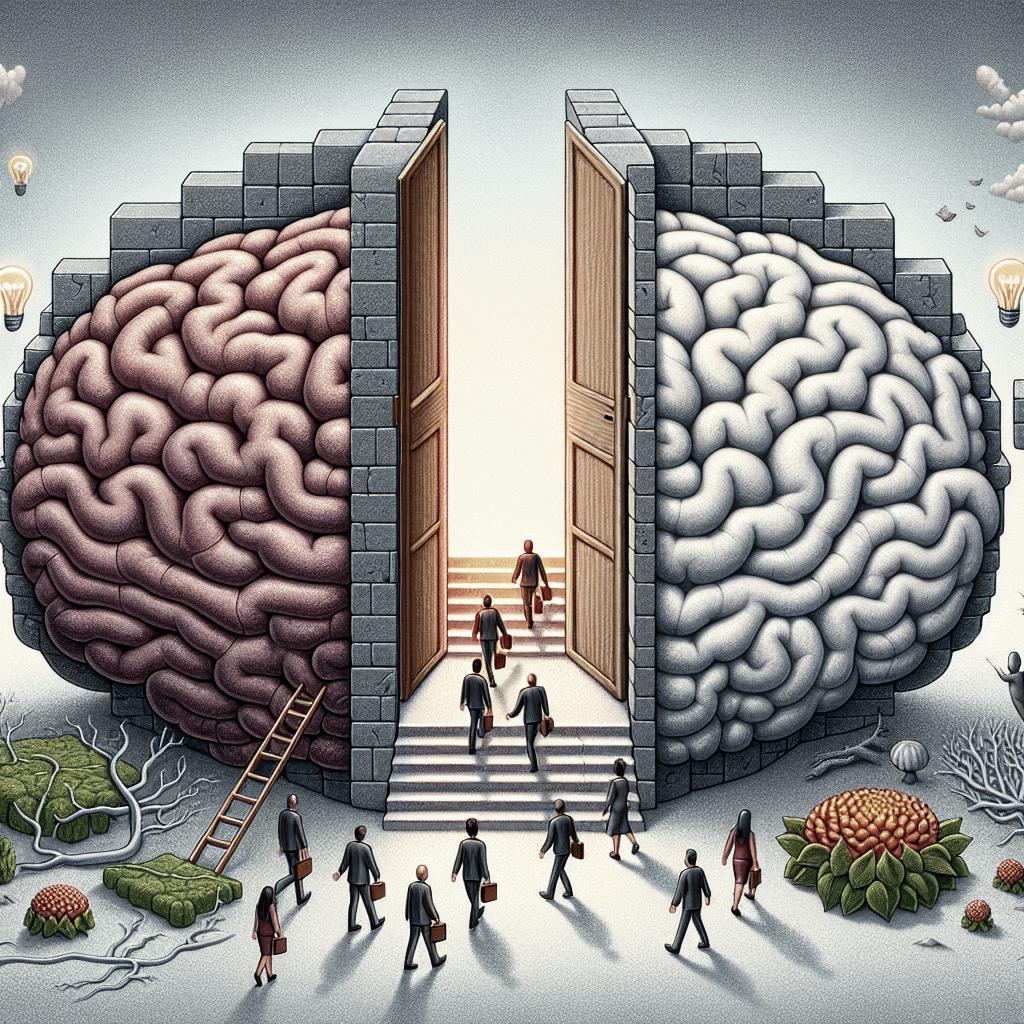
In our everyday lives, mindset can make an astonishing difference to our personal and professional growth. A fixed mindset believes talents and abilities are static, while a growth mindset believes talents can be developed through hard work, learning, and perseverance. These differing perspectives can have profound impacts on numerous aspects of our lives, from career progression to relationships. This blog post delves into the two mindsets shaping your life, explores the science of neuroplasticity, provides strategies to identify fixed mindset triggers, and offers practical tips to foster a growth mindset. Finally, it guides you on asking the right questions to nurture a growth-oriented way of thinking. By understanding and applying these concepts, you can unlock new potentials and pave the way for continuous development and success.
The two mindsets shaping your life
The concept of fixed and growth mindsets, popularized by psychologist Carol Dweck, revolves around two distinct ways of thinking. A fixed mindset is the belief that abilities and intelligence are innate and immutable. Individuals with this mindset often shy away from challenges, give up easily, and feel threatened by the success of others. They may think statements like “I’m just not good at this” or “I can’t change who I am,” which limit potential and hamper personal growth. On the other hand, a growth mindset is grounded in the belief that abilities can be developed through dedication and hard work. This mindset fosters a love for learning and resilience essential for great accomplishments. People with a growth mindset embrace challenges, persist in the face of setbacks, and see effort as the path to mastery. They are inspired by others’ success and use it as a source of motivation. Understanding these mindsets can help identify self-limiting beliefs and redefine one’s approach to both personal and professional endeavors. Developing a growth mindset is not about becoming endlessly positive but about adopting a realistic and flexible approach to challenges and failures. It encourages viewing difficulties as opportunities for learning rather than insurmountable hurdles. By shifting from a fixed to a growth mindset, you can cultivate a healthier perspective that encourages constant development and achievement.
All about neuroplasticity
Neuroplasticity is the brain’s ability to adapt and change as a result of experience, which is a fundamental aspect of cultivating a growth mindset. Recent research in neuroscience demonstrates that our brains are malleable and continuously evolving based on our thoughts and experiences. This challenges the outdated notion that the brain’s structure is permanent and unchangeable after a certain age. Engaging in new activities or learning forges new neural connections and strengthens existing ones, enhancing cognitive abilities and fostering a growth mindset. For example, learning a new language or musical instrument can lead to significant changes in brain structures associated with these skills. Likewise, embracing challenges and persisting through difficulties can reshape the brain, allowing it to operate more efficiently and adaptable. Understanding neuroplasticity reinforces the belief that our abilities and intelligence are not fixed but can be developed with effort and perseverance. By adopting this perspective, you view challenges as opportunities to grow, practice resilience, and become more adaptable in the face of adversity. This is a key step toward shifting from a fixed to a growth mindset.
Identify your fixed mindset triggers
Recognizing and addressing fixed mindset triggers is essential in the transition to a growth mindset. These triggers are specific situations or thoughts that activate a fixed mindset and hinder progress. Common triggers include fear of failure, criticism, comparison with others, and encountering unforeseen challenges. It’s crucial to become aware of these triggers as they occur to manage and transform them effectively. One strategy to identify fixed mindset triggers is to maintain a mindset journal. Document instances when you felt particularly challenged and note your emotional and cognitive responses. Reflect on moments when you hesitated to take on new challenges, avoided difficult tasks, or felt threatened by others’ success. This self-awareness can reveal patterns in your thinking and behavior that signal a fixed mindset. Once identified, you can begin to reframe these triggers. For instance, instead of perceiving criticism as a personal attack, view it as constructive feedback that provides an opportunity for improvement. Instead of dreading failure, reinterpret it as a learning experience that contributes to future success. Over time, this conscious effort to reframe fixed mindset triggers will help cultivate a more resilient and positive growth mindset.
How to foster a growth mindset
Fostering a growth mindset requires intentional practice and consistent effort. One effective approach is to embrace challenges and persist despite difficulties. Cultivating a mindset that views obstacles as opportunities rather than insurmountable barriers can make a significant difference. Begin by setting realistic yet challenging goals and celebrating small wins along the way to build momentum. Another key strategy is to surround yourself with growth-minded individuals. Environment plays a critical role in shaping our beliefs and behaviors. Engage with people who encourage and inspire you to embrace new challenges, provide constructive feedback, and celebrate your efforts and improvements. Such a supportive network reinforces positive attitudes and drives continuous growth. Additionally, it’s essential to develop a habit of lifelong learning. Keep your curiosity alive by exploring new interests, enrolling in courses, reading extensively, and seeking out new experiences. This not only broadens your horizons but also embeds a sense of excitement and adaptability that are hallmarks of a growth mindset. By adopting these strategies, you actively nurture a spirit of continuous development.
Asking the right growth mindset questions
The types of questions you ask yourself play a significant role in fostering a growth mindset. Instead of questions that focus on limitations, such as “Why am I not good at this?”, pivot towards questions that encourage growth, like “What can I learn from this experience?” or “How can I improve my skills?” This form of inquiry promotes a proactive approach to challenges and setbacks. Reflective questioning is another powerful tool. Regularly ask yourself questions about your progress and setbacks. For example, “What did I learn from this challenge?” or “What steps can I take next to improve?” This practice not only keeps you engaged in active learning but also shifts your focus from blame to constructive action. It’s also beneficial to adopt problem-solving questions in your daily routine. Whenever you face a significant hurdle, instead of feeling overwhelmed, ask yourself, “What are the possible solutions?” or “Who can help me navigate this challenge?” This approach nurtures resilience, resourcefulness, and a consistently positive outlook toward personal growth. By training yourself to ask empowering questions, you root your thinking in the growth mindset.
Future prospects
“`html
| Section | Key Points |
|---|---|
| The two mindsets shaping your life | Fixed mindset: talent and intelligence are static; Growth mindset: abilities can be developed with effort. |
| All about neuroplasticity | Brain’s capacity to adapt; Engaging in new activities forms new neural connections; Encourages a foundation for growth mindset. |
| Identify your fixed mindset triggers | Acknowledge fixed mindset situations; Journal to find patterns; Reframe criticism and failure as opportunities. |
| How to foster a growth mindset | Embrace challenges; Set realistic goals; Surround yourself with growth-oriented people; Commit to lifelong learning. |
| Asking the right growth mindset questions | Use reflective questioning; Focus on learning experiences; Develop problem-solving approaches. |
“`